Why Regular Cleaning Matters for Homes, Workspaces, and Everyday Comfort
Regular cleaning is one of the simplest ways to protect your health, improve comfort, and keep your environment looking its best. Whether you manage a home, office, retail space, rental property, or shared facility, regular cleaning helps reduce buildup, control odors, prevent damage, and create a more welcoming atmosphere. It is not just about appearance; it is also about hygiene, efficiency, and long-term upkeep.
Many people think cleaning is only important when things look dirty, but that approach often leads to bigger problems later. Dust, grime, grease, and clutter accumulate gradually, and once they do, they become harder to remove. Routine cleaning prevents that buildup from taking over, which means less stress and fewer expensive fixes in the future. A clean space also supports better focus, better first impressions, and a healthier indoor environment for everyone who uses it.
In today’s fast-paced world, maintaining a clean space can feel challenging, but a consistent approach makes the task more manageable. By understanding the value of regular cleaning and applying a practical routine, you can keep spaces fresh, organized, and ready for daily use. This article explores why it matters, what benefits it offers, and how to build a cleaning routine that actually works.
The Real Value of Regular Cleaning in Daily Life

Regular cleaning does more than make a room look nice. It contributes to a healthier lifestyle, improved productivity, and a more comfortable atmosphere. Clean surroundings can reduce dust exposure, minimize clutter-related stress, and support better habits overall. When a space is maintained consistently, tasks become easier, and the environment feels more controlled.
For households, regular cleaning helps create a safe and pleasant setting for children, pets, guests, and family members. For businesses, it helps maintain professionalism and supports customer trust. People naturally notice whether a place is tidy, fresh, and well cared for. That first impression can shape how they feel about the property, the brand, or the people responsible for it.
There is also a strong financial benefit. Surfaces, appliances, flooring, and fixtures last longer when they are cleaned properly on a regular basis. Dirt and residue can cause wear over time, and neglect may lead to costly replacements or repairs. A structured cleaning habit protects your investment and keeps everything functioning more effectively.
Why consistency matters
Consistency is the key difference between occasional tidying and true regular cleaning. A one-time deep clean can help, but without routine upkeep, mess returns quickly. Consistent cleaning reduces the time and effort needed later because dirt never gets the chance to build up to extreme levels.
When you clean regularly, you also become more aware of problem areas. Leaks, stains, damage, mold risks, and pest issues are more likely to be noticed early. That early detection can save time, money, and frustration. In other words, cleaning is not only a maintenance task; it is also a preventive strategy.
Health Benefits of Regular Cleaning
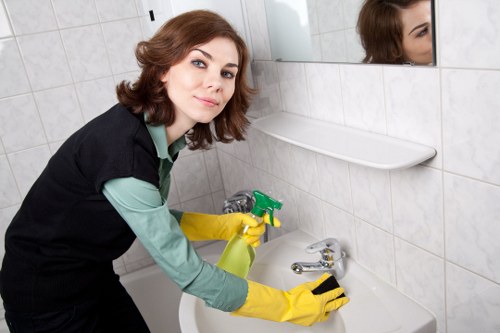
One of the strongest reasons to prioritize regular cleaning is health. Dust, allergens, bacteria, and mold can collect in carpets, vents, bathrooms, kitchens, and on frequently touched surfaces. If left untreated, these contaminants can affect indoor air quality and contribute to discomfort or illness. A cleaner environment helps reduce exposure to those unwanted elements.
People with allergies or respiratory sensitivities often notice a major difference when cleaning is done consistently. Vacuuming, wiping, sanitizing, and controlling moisture can reduce common triggers such as pollen, pet dander, and dust mites. Even if no one in the home or office has allergies, better air quality benefits everyone.
Regular cleaning is especially important in kitchens and bathrooms, where moisture and food residue create favorable conditions for germs and buildup. These areas require steady attention to prevent odors, stains, and contamination. Keeping them clean is one of the easiest ways to support a safer indoor environment.
Clean spaces support healthier habits
A well-maintained space naturally encourages better routines. People are more likely to wash dishes promptly, put items away, and respect shared areas when the environment already feels organized. That means regular cleaning supports not only hygiene but also overall household or workplace discipline.
Clean spaces can also improve mental well-being. Clutter and mess often create visual noise, which may increase stress and reduce concentration. On the other hand, tidy surroundings can feel calming and productive. This is one reason why many people find it easier to relax, study, or work in a clean environment.
How Regular Cleaning Improves Appearance and Comfort
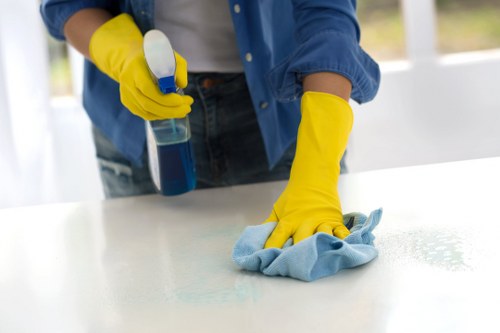
Appearance matters in nearly every setting, and regular cleaning is one of the most effective ways to keep a space attractive. Shiny floors, dust-free furniture, clean windows, and fresh-smelling rooms all contribute to a positive experience. Whether the space is used for living, working, or serving customers, cleanliness influences how people feel when they walk in.
Comfort is closely linked to appearance. A room that looks fresh usually feels more inviting. Clean surfaces reduce that subtle sense of disorder that can make a space feel tiring or overwhelming. Regular upkeep gives the area a sense of balance and control, which can make daily use more enjoyable.
Regular cleaning also helps preserve the style and design of a room. Decorative items, finishes, and furnishings appear better when dust and residue are removed consistently. Instead of hiding under layers of grime, the details stand out and the space looks more thoughtfully maintained.
First impressions are shaped by cleanliness
First impressions happen quickly. If a guest, client, or customer sees a clean environment, they are more likely to feel confident and comfortable. In contrast, even a well-designed space can lose appeal if it appears neglected. This is why cleaning is not a minor task; it is part of presenting your space well.
For businesses in particular, consistent cleaning can support brand image. A neat, orderly, and well-kept environment sends a message of reliability and attention to detail. It shows that the people responsible care about the experience of everyone who enters the space.
Saving Time and Money Through Regular Cleaning

At first glance, regular cleaning may seem like an ongoing expense of time and energy. In reality, it often saves both. Small tasks done consistently are easier than large cleaning jobs done after weeks or months of neglect. By staying ahead of dirt and clutter, you avoid the need for intense catch-up cleaning sessions.
There is also a clear financial advantage. Floors, counters, appliances, carpets, and fixtures all last longer when they are cared for properly. Grease left on kitchen surfaces, grime on tiles, and dust inside vents can all contribute to wear and reduced efficiency. Routine maintenance protects your assets and lowers the risk of premature replacement.
Regular cleaning can even help reduce utility costs. For example, dust-free vents and filters allow HVAC systems to work more efficiently, while clean windows can improve natural light use. A cleaner space may also reduce the need for expensive deep restoration or specialty treatments later on.
Preventive care is more affordable than repairs
Preventive care is one of the smartest ways to manage any property. A small stain treated early is easier to remove than a stain ignored for months. A loose fixture noticed during cleaning can be addressed before it causes damage. In this sense, routine cleaning is part of responsible property care.
- It reduces buildup before it becomes difficult to remove.
- It lowers the chance of damage from moisture, grime, or spills.
- It supports longer-lasting finishes and furnishings.
- It helps identify issues early before they become expensive.
Building an Effective Regular Cleaning Routine
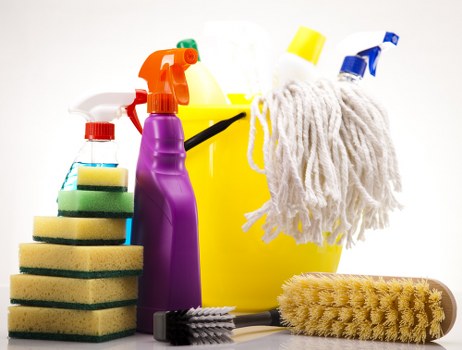
Creating a workable regular cleaning routine does not require perfection. It simply requires structure and consistency. The best routine is one that matches the size of the space, the level of activity, and the people responsible for maintaining it. A realistic plan is always better than an ambitious one that gets ignored after a few days.
A strong routine usually separates tasks into daily, weekly, and monthly categories. This approach prevents overload and ensures that each area receives the attention it needs. The goal is to keep cleaning manageable so the space stays in good condition without constant stress.
Regular cleaning becomes easier when tasks are spread out. Daily tidying handles visible messes, weekly care handles deeper maintenance, and monthly tasks address harder-to-reach or overlooked areas. Together, these layers create a dependable system that supports cleanliness over time.
Daily tasks to keep spaces under control
Daily tasks are the foundation of a clean environment. These are usually small actions that prevent clutter and buildup from spreading.
- Wipe down commonly touched surfaces.
- Wash dishes and clean kitchen counters.
- Take out trash when needed.
- Put items back in their proper places.
- Sweep or vacuum high-traffic areas.
These simple habits may take only a few minutes, but they make a significant difference in the overall feel of a room.
Weekly tasks for deeper upkeep
Weekly tasks handle the areas that need more attention but do not require daily cleaning. This is where regular cleaning begins to create a visible difference in freshness and order.
- Vacuum carpets and rugs thoroughly.
- Mop hard floors.
- Clean bathrooms carefully.
- Dust shelves, furniture, and décor.
- Change bedding or launder linens.
These tasks keep the space feeling refreshed and help prevent grime from settling in.
Monthly and seasonal tasks
Some areas do not need frequent attention but still matter greatly. Monthly cleaning tasks might include wiping baseboards, cleaning appliances, washing windows, or organizing storage spaces. Seasonal tasks often involve decluttering, rotating items, and reviewing areas that are easy to ignore. Regular attention to these details keeps the whole space in better condition.
Tip for staying consistent
Regular cleaning is easier to maintain when you attach it to existing habits. For example, you can tidy up after meals, wipe surfaces before bedtime, or set aside one morning each week for deeper cleaning. The more natural the routine feels, the more likely it is to stick.
Regular Cleaning for Homes, Offices, and Shared Spaces
The right regular cleaning approach depends on the setting. A family home, a busy office, and a public waiting area all have different priorities. Still, the principle remains the same: regular upkeep improves the space and makes it more usable.
In homes, cleaning often centers on comfort, hygiene, and organization. Kitchens, bathrooms, bedrooms, and living areas each need different routines. In offices, the focus shifts toward professionalism, productivity, and sanitation. Shared spaces, such as lobbies or break rooms, require extra attention because many people use them each day.
Regardless of the setting, clean environments help people function better. They reduce distractions, create a sense of order, and support a more positive experience overall. This is why regular cleaning is valuable in nearly every type of space.
Residential spaces
At home, regular cleaning helps maintain comfort and safety. Families often deal with spills, pet hair, toys, shoes, laundry, and food messes. A consistent routine keeps those common issues from becoming overwhelming. It also makes it easier to enjoy the home rather than constantly catching up on chores.
Commercial spaces
In business settings, cleaning supports both image and operations. Customers, clients, and staff all benefit from a tidy, well-maintained area. Clean desks, sanitized surfaces, clear floors, and orderly common areas reflect professionalism and care.
Shared and high-traffic areas
Shared environments need extra attention because they are used more frequently. Door handles, tables, counters, and restrooms should be cleaned regularly to reduce germ spread and maintain a pleasant experience for everyone. In these spaces, regular cleaning is not optional; it is essential to everyday function.
Best Practices That Make Regular Cleaning More Effective
To get the most from regular cleaning, it helps to use smart habits and practical tools. A better process saves time, improves results, and makes the work less frustrating. The following best practices can help anyone maintain a cleaner space with less effort.
- Use the right supplies: microfiber cloths, quality cleaners, mops, and vacuums make tasks easier and more effective.
- Work from top to bottom: dust falls downward, so cleaning high surfaces first prevents redoing work.
- Focus on high-touch areas: handles, switches, counters, and remotes deserve frequent attention.
- Declutter regularly: fewer items make cleaning faster and more efficient.
- Set realistic expectations: consistency matters more than doing everything at once.
Another useful habit is to clean as you go. When spills are wiped immediately and items are put away after use, the overall workload stays smaller. This approach is especially helpful in kitchens, laundry rooms, and workspaces where messes can accumulate quickly.
Regular cleaning also benefits from a shared plan when multiple people use the same space. Dividing tasks or creating a schedule can prevent confusion and help everyone contribute. Clear responsibility leads to cleaner spaces and fewer arguments about who should do what.
A simple mindset shift
Instead of thinking of cleaning as a burden, it helps to view it as maintenance and care. A clean environment is easier to live in, easier to work in, and easier to enjoy. That mindset makes regular cleaning feel purposeful rather than repetitive.
If you want your home or business to stay fresh, organized, and welcoming, the answer is simple: stay consistent. Small daily efforts create lasting results, and those results can make a major difference over time.
Why Regular Cleaning Supports Long-Term Property Care
One of the most overlooked benefits of regular cleaning is how it supports the long-term condition of a property. Dirt may seem harmless at first, but over time it can stain surfaces, dull finishes, clog systems, and create avoidable damage. Routine care helps preserve the value and function of your space.
For flooring, this means less scratching, staining, and wear. For appliances, it means better performance and fewer problems caused by residue or dust. For bathrooms and kitchens, it means less risk of mold, corrosion, and odors. Even walls and trim benefit when dust and buildup are removed regularly.
By investing in regular cleaning, you are also investing in longevity. A well-maintained property tends to look better, function better, and cost less to care for in the long run. That is a practical advantage that applies whether the space is personal or commercial.
Clean spaces are easier to maintain
The more consistently a space is cleaned, the easier it becomes to maintain. Surfaces stay manageable, clutter stays under control, and deep cleaning becomes less intimidating. In many cases, people who establish regular habits find that the space practically maintains itself with only modest effort.
This is why regular cleaning is such a strong foundation for any property care plan. It does not just solve immediate messes; it creates a better future for the space itself.
Final Thoughts on Making Regular Cleaning a Priority
Regular cleaning is one of the most practical and beneficial habits you can build for any environment. It improves health, enhances appearance, saves money, and protects long-term value. Just as importantly, it creates spaces where people feel better, think more clearly, and interact more comfortably.
You do not need a perfect routine to see results. You only need consistency, attention, and a plan that matches your lifestyle or business needs. Start with small tasks, stay organized, and keep the process realistic. Over time, those efforts add up to a cleaner and more enjoyable space.
If your home or workspace needs a fresh start, now is the right time to act. Make regular cleaning part of your routine and experience the difference it can make. Contact us today or book your service now to keep your space looking and feeling its best.