Deep Cleaning in Modern Homes: A Practical Approach to a Healthier, Fresher Space
Why Deep Cleaning Matters More Than Ever
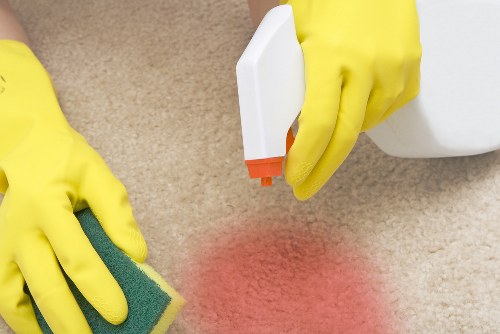
Deep cleaning is more than a once-in-a-while tidy-up. It is the process of reaching the dirt, dust, grease, and buildup that regular cleaning routines often miss. In busy households, deep cleaning helps restore a home’s freshness, improve indoor air quality, and create a more comfortable environment for everyone inside.
Unlike surface cleaning, deep cleaning focuses on the hidden places that collect grime over time: behind appliances, along baseboards, under furniture, inside vents, and in corners that are easy to overlook. When done properly, it can make a home look brighter, smell cleaner, and feel more organized almost immediately.
Many people think deep cleaning is only necessary before guests arrive or during seasonal changes. In reality, deep cleaning in the home plays an important role in maintaining a healthier indoor space all year long. It can also reduce allergens, minimize odors, and support a more sanitary living environment.
What Is Deep Cleaning?

Deep cleaning refers to a thorough, detail-focused cleaning process that goes beyond everyday maintenance. It includes scrubbing, sanitizing, disinfecting, and dust removal in areas that are typically neglected during standard cleaning routines. For example, while a regular clean may involve wiping counters and vacuuming floors, deep cleaning addresses buildup in grout, fixtures, vents, appliances, and other hard-to-reach spots.
This type of cleaning can be performed in homes, apartments, offices, and rental properties. However, deep cleaning in homes is especially valuable because living spaces naturally accumulate dust, hair, grease, food particles, and bacteria over time. Bedrooms, kitchens, bathrooms, and shared living areas all benefit from a deeper level of care.
At its core, deep cleaning is about detail and consistency. It requires more time, more attention, and often more tools than routine tidying. The reward, however, is worth it: a cleaner space that feels renewed, healthier, and easier to maintain afterward.
Signs Your Home Needs Deep Cleaning
Common indicators to look for

Sometimes the need for deep cleaning is obvious, while other times the signs build gradually. If your home looks clean on the surface but still feels stale, dusty, or greasy, it may be time for a more detailed cleaning session.
Some of the most common signs include visible dust buildup on ceiling fans or baseboards, unpleasant odors that return quickly after cleaning, sticky kitchen surfaces, dull floors, or soap scum in bathrooms. You may also notice that allergies seem worse indoors, or that certain areas never appear fully clean no matter how often they are wiped down.
Other signs include cluttered storage areas, neglected corners, dirty light switches, smudged doors, and buildup around faucets or drains. When these details start to add up, a deep cleaning routine can make a dramatic difference in how your home looks and feels.
- Dust on vents, fans, and blinds
- Kitchen grease near stovetops or cabinets
- Soap residue in showers and tubs
- Musty or lingering odors
- Allergy flare-ups indoors
Benefits of Deep Cleaning in the Home
More than just a prettier space
There are many reasons homeowners invest time in deep cleaning in their living spaces. One of the biggest benefits is improved hygiene. By removing hidden dirt and bacteria, you reduce the chances of germs spreading from one surface to another.
Another major advantage is better indoor air quality. Dust, pet dander, mold spores, and other particles can accumulate in carpets, upholstery, and vents. Deep cleaning helps reduce these irritants, which may be especially helpful for people with allergies or respiratory sensitivities.
Deep cleaning also helps preserve surfaces and materials. When grime is allowed to sit too long, it can stain grout, dull flooring, damage finishes, and shorten the life of appliances. A consistent deep cleaning schedule can help protect your investment and keep your home looking newer for longer.
Additional advantages include:
- A fresher smell throughout the home
- Less dust settling on furniture
- Improved organization and reduced clutter
- A more welcoming atmosphere for guests
- Greater peace of mind in shared spaces
Deep Cleaning Kitchen Areas

The kitchen is one of the most important places to focus on during deep cleaning because it is a high-use area where food, grease, and moisture can create buildup quickly. Even if counters are wiped daily, hidden residue often remains on cabinet handles, appliance surfaces, backsplashes, and floors.
A proper kitchen deep clean should include cleaning inside and behind appliances, degreasing stovetops, sanitizing sinks, wiping cabinet fronts, and scrubbing tile or grout. The refrigerator and oven often need special attention because they collect spills, crumbs, and odors that regular cleaning may not fully remove.
In addition, don’t forget small but important details such as light switches, trash bins, drain edges, and the rubber seals around fridge doors. These overlooked areas can harbor bacteria and contribute to unpleasant smells. A careful deep kitchen cleaning routine can make meal prep feel more hygienic and enjoyable.
Kitchen deep cleaning checklist
- Clean inside the oven and microwave
- Wipe down cabinet doors and handles
- Sanitize sinks and faucets
- Degrease backsplash and stovetop areas
- Vacuum and mop under appliances
Deep Cleaning Bathrooms for a Fresher Space
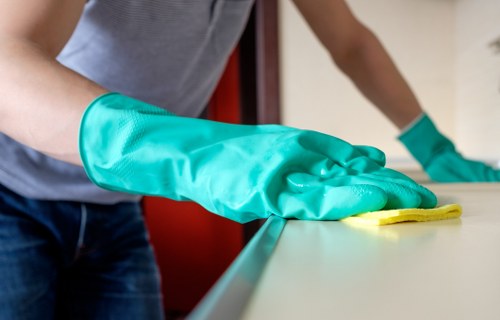
Bathrooms require special attention because of moisture, soap residue, and frequent use. A deep cleaning in bathrooms helps remove buildup that can make the room look dull or feel less sanitary. It also helps reduce mildew, odors, and bacteria that can develop in humid environments.
Deep cleaning should include scrubbing the shower, tub, sink, toilet, and tile surfaces. Grout lines often need extra care, as they can trap dirt and discolor over time. Mirrors, fixtures, towel bars, and drains should also be cleaned thoroughly to restore shine and freshness.
For best results, use appropriate cleaning products for each surface. Some materials need gentle cleaners, while others can handle stronger solutions. Bathroom deep cleaning not only improves appearance but also helps maintain a healthier and more comfortable room for daily use.
Deep Cleaning Bedrooms and Living Spaces
Creating comfort where you relax most
Bedrooms and living rooms may not get as dirty as kitchens or bathrooms, but they still require regular deep cleaning. Dust, pet hair, and allergens collect in soft surfaces like bedding, curtains, rugs, and upholstery. Over time, these particles can affect comfort and cleanliness.
In bedrooms, deep cleaning often includes washing bedding, vacuuming under the bed, dusting dressers and nightstands, cleaning ceiling fans, and organizing closets. In living spaces, it may involve cleaning furniture cushions, vacuuming carpets, wiping entertainment centers, and dusting decor items.
These rooms are where people relax, sleep, and spend quality time. A properly completed deep cleaning routine can make them feel calmer, cleaner, and more inviting. When dust and clutter are minimized, it is easier to enjoy the space fully.
Focus areas for bedrooms and living rooms
- Under beds and sofas
- Window sills and blinds
- Rugs, carpets, and upholstery
- Closet shelves and storage bins
- Remote controls, switches, and handles
Tools and Supplies That Help Deep Cleaning Work Better
Having the right tools makes deep cleaning faster, more effective, and less stressful. While many tasks can be done with basic supplies, certain areas benefit from specialized equipment. A good cleaning toolkit helps you work efficiently and achieve better results.
Common deep cleaning supplies include microfiber cloths, scrub brushes, a vacuum with attachments, mop heads, disinfectant sprays, degreasers, bathroom cleaners, and dusting tools. For tougher jobs, steam cleaners, grout brushes, and extension dusters can be extremely helpful.
Using the right product for the right surface is also important. Wood, tile, stainless steel, glass, fabric, and stone all require different approaches. Proper product selection not only improves cleanliness but also helps prevent damage.
Helpful tools for deep cleaning
- Microfiber cloths and sponges
- Vacuum cleaner with attachments
- Bucket, mop, and scrub brush
- Glass cleaner and disinfectant
- Grout cleaner and degreaser
- Gloves for protection
How Often Should Deep Cleaning Be Done?
The ideal deep cleaning schedule depends on household size, lifestyle, pets, and how frequently a space is used. In general, many homes benefit from a full deep cleaning every few months, while high-traffic areas may need attention more often.
For example, kitchens and bathrooms often require deeper cleaning monthly or at least seasonally. Bedrooms, living rooms, and storage areas may be done less often, though dust-heavy homes or pet-friendly households may need more frequent care. Businesses and rental properties may require a more regular cycle depending on occupancy.
The key is consistency. Waiting too long allows buildup to become harder to remove, which means more time and effort later. A planned deep cleaning routine helps keep maintenance manageable and prevents small problems from becoming bigger ones.
Sample frequency breakdown
- Weekly: routine tidying and surface cleaning
- Monthly: detailed attention to high-use rooms
- Seasonally: full-home deep cleaning
- As needed: after events, renovations, or illness
Deep Cleaning Tips for Better Results
If you want your deep cleaning in the home to be more efficient, it helps to work in a logical order. Start from the top of the room and move downward so dust and debris fall onto areas you have not yet cleaned. This simple method saves time and reduces repeat work.
Another useful tip is to tackle one room at a time. Breaking the job into smaller sections makes the process feel more manageable and helps you stay focused. It is also smart to declutter before cleaning so that surfaces are easier to reach and clean thoroughly.
Finally, remember to be patient with tough buildup. Some areas may require soaking, repeated wiping, or a second pass. The best deep cleaning results come from steady attention to detail rather than rushing through the process.
Smart deep cleaning habits
- Work from top to bottom
- Clean one room at a time
- Declutter before scrubbing
- Use the correct tools and products
- Allow time for stubborn stains or buildup
Eco-Friendly Deep Cleaning Options
More homeowners are choosing eco-friendly methods for deep cleaning because they want effective results without relying on harsh chemicals. Natural cleaning alternatives can be especially appealing in homes with children, pets, or people sensitive to strong scents.
Simple ingredients like vinegar, baking soda, lemon, and castile soap can be useful for many tasks. While not ideal for every surface, these options can help deodorize, lift grime, and support a cleaner home environment. When used correctly, they offer a practical balance of power and gentleness.
Eco-friendly deep cleaning solutions can also reduce packaging waste when paired with reusable cloths and refillable containers. For many households, this approach is not only cleaner but also more sustainable over time.
Examples of greener cleaning practices
- Use reusable microfiber cloths
- Choose refillable spray bottles
- Opt for non-toxic cleaners when possible
- Ventilate rooms while cleaning
- Reuse old toothbrushes for detail work
When to Consider Professional Deep Cleaning
While many homeowners handle deep cleaning on their own, there are times when professional help makes sense. If your schedule is packed, if a space has gone too long without attention, or if you want a more thorough reset, professional deep cleaning services can be a smart option.
Professionals often bring specialized tools, experience, and efficient systems that allow them to clean more deeply and quickly. They can tackle stubborn buildup, difficult stains, and hard-to-reach areas that may be overlooked during DIY cleaning. This is especially useful before moving, after renovations, or during seasonal refreshes.
Choosing professional deep cleaning in the home can also save energy and reduce stress. Instead of spending an entire weekend scrubbing every room, you can enjoy a cleaner space without the physical and mental strain. Book your service now if you are ready to restore your home’s freshness with expert care.
How Deep Cleaning Supports Long-Term Home Maintenance
One of the biggest advantages of deep cleaning is that it supports long-term home maintenance. When you clean thoroughly and regularly, you are more likely to catch issues early, such as mold growth, leaks, clogged vents, or damaged grout. This preventive approach can save time and money later.
Deep cleaning also makes routine cleaning easier. Once built-up grime is removed, daily wiping, sweeping, and dusting become faster and more effective. The home stays in better shape between sessions, which creates a positive cycle of cleanliness and maintenance.
In addition, a well-maintained home often feels more comfortable and functional. Whether you are preparing for guests, improving indoor air quality, or simply wanting a better environment for your family, deep cleaning is a practical investment in your living space.
Long-term benefits at a glance
- Less buildup over time
- Longer lifespan for surfaces and fixtures
- Easier weekly cleaning
- Better home presentation
- Improved comfort and hygiene
Creating a Deep Cleaning Routine That Works
A successful deep cleaning routine should be realistic and easy to repeat. Start by listing the rooms and tasks that need attention most often. Then assign certain tasks to specific months, weekends, or seasons. A simple plan helps prevent overwhelm and keeps your home consistently fresh.
It is also helpful to keep supplies organized in one place so that you do not waste time gathering products each time you begin. If you live with others, dividing tasks can make the work quicker and more manageable. Shared responsibility often leads to better results and less stress.
Whether you clean on your own or seek professional help, what matters most is consistency. Over time, deep cleaning in a home becomes easier when it is treated as part of normal maintenance rather than a one-time event.
Simple routine-building steps
- List priority rooms and problem areas
- Choose a monthly or seasonal cleaning schedule
- Gather all supplies before starting
- Break the work into manageable tasks
- Review and adjust the routine as needed
Final Thoughts on Deep Cleaning
Deep cleaning is one of the most effective ways to improve the look, feel, and hygiene of any home. From kitchens and bathrooms to bedrooms and living areas, the process reaches hidden dirt and buildup that routine cleaning often misses. The result is a cleaner, fresher, and more comfortable space for everyone.
It also supports healthier indoor living by reducing dust, allergens, and bacteria. Whether you handle the work yourself or choose professional help, investing time in deep cleaning in the home pays off in both immediate results and long-term maintenance benefits.
If your home is ready for a refresh, now is the perfect time to take action. Contact us today and book your service now to enjoy a space that feels truly renewed.