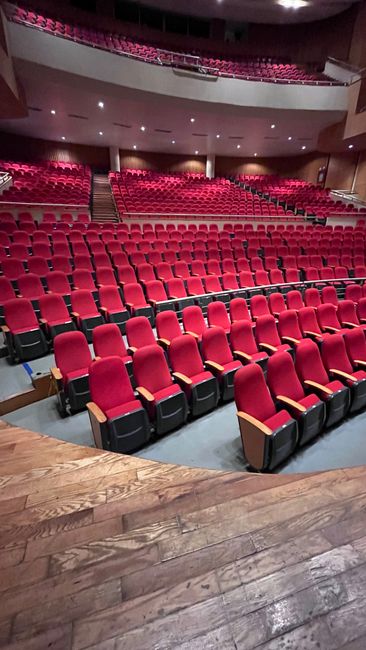
Fairfield Halls Upholstery Cleaning After Events Croydon
Events at Fairfield Halls can leave a venue buzzing in all the right ways - applause, footfall, chatter, and then, afterwards, the not-so-glamorous reality: marked chairs, drink spills, crumb-filled seams, and upholstery that suddenly looks tired. If you are dealing with Fairfield Halls upholstery cleaning after events Croydon, you probably need more than a quick wipe-down. You need a sensible, careful clean that restores appearance without damaging fabric, padding, or finishes.
This guide walks through what event-related upholstery cleaning actually involves, why it matters so much in a busy venue, how the process works, and what to look for before booking anyone to do it. You will also find practical steps, a checklist, and a few straight-talking tips from the real world. Because, let's face it, upholstery has a habit of showing everything.
Table of Contents
- Why Fairfield Halls upholstery cleaning after events Croydon Matters
- How Fairfield Halls upholstery cleaning after events Croydon Works
- Key Benefits and Practical Advantages
- Who This Is For and When It Makes Sense
- Step-by-Step Guidance
- Expert Tips for Better Results
- Common Mistakes to Avoid
- Tools, Resources and Recommendations
- Law, Compliance, Standards, or Best Practice
- Options, Methods, or Comparison Table
- Case Study or Real-World Example
- Practical Checklist
- Conclusion
- Frequently Asked Questions
Why Fairfield Halls upholstery cleaning after events Croydon Matters
Event spaces work hard. Chairs get used for long stretches, fabrics absorb body oils and airborne dust, and the occasional spill finds its way into seams, piping, and armrests. In a place like Fairfield Halls, where presentation matters and turnover can be tight, upholstery cleaning after events is not just about looks. It is part of keeping the venue welcoming, safe, and ready for the next audience.
Dirty upholstery can make even a well-run venue feel neglected. One coffee ring on a chair might seem minor, but repeated use without proper cleaning can lead to dull fabric, lingering odours, and stains that become harder to shift over time. Guests notice. Staff notice too, even if nobody says it out loud.
There is also a practical side. If upholstery is cleaned soon after an event, you are more likely to remove fresh spills before they set. Sugary drinks, wine, grease from snacks, and cosmetic transfer all behave differently, but the general rule is the same: the longer you wait, the more stubborn the mark becomes.
Expert summary: Post-event upholstery cleaning is best treated as part of venue maintenance, not as an occasional rescue job. Fast attention usually means better results, less fabric stress, and a more professional finish.
If you are managing a venue or coordinating cleaning for a hire space, it helps to think beyond a single chair or sofa. You are protecting fabric condition, guest experience, and operational efficiency all at once. That is why many teams pair upholstery work with broader deep cleaning or even commercial cleaning when the event footprint is larger.
How Fairfield Halls upholstery cleaning after events Croydon Works
Good upholstery cleaning is structured, not improvised. The method depends on the fabric type, the level of soiling, and how much time has passed since the event. A skilled cleaner will usually begin with inspection rather than chemicals. That part matters more than people think.
First comes identification. Cotton blends, wool, velvet, synthetic fabrics, and leather-like finishes all need different handling. A "one product for everything" approach is asking for trouble. In busy venues, there may also be a mix of chair styles, fixed seating, soft furnishings, and fabric-covered banquettes. Each one needs its own plan.
The next step is pre-treatment. This means tackling visible spots before the main clean. The cleaner may test a discreet area, then apply a suitable solution to loosen dirt, grease, or drink residue. After that, the upholstery is cleaned using a method that suits the textile - often low-moisture extraction, hot water extraction for compatible materials, or controlled hand cleaning for delicate items.
Finally, the fabric is groomed and allowed to dry properly. Drying time can vary a lot depending on ventilation, humidity, pile depth, and how much moisture was used. In a venue setting, that can be the difference between reopening on schedule and having to shuffle things around at the last minute.
For some items, professional upholstery cleaning is the core service. For others, the best outcome comes from combining it with sofa cleaning or targeted carpet cleaning if the event affected multiple soft surfaces. That kind of joined-up approach usually makes more sense than treating each problem in isolation.
Key Benefits and Practical Advantages
People often think upholstery cleaning is mainly cosmetic. It is not just that. A well-planned clean after events brings a few very practical benefits, and some of them are easy to overlook.
- Better presentation: Chairs and soft seating look fresher, which matters in a formal venue where first impressions count.
- Longer fabric life: Removing debris and residues early helps prevent fibre wear and permanent staining.
- Improved odour control: Food, drink, and general event use can leave a stale smell that regular airing will not always fix.
- Reduced health and hygiene concerns: Dust, crumbs, and spill residue can build up in creases and seams.
- Less disruption later: Planned post-event cleaning is far easier than emergency stain removal just before the next booking.
- Better value for the venue: Keeping upholstery in good condition can delay replacement costs. Simple enough, really.
There is also the morale factor. A clean venue feels looked after. Staff work better in a tidy environment, and event organisers are much more relaxed when they know the space will be reset properly. One of those small things that quietly makes everything smoother.
Who This Is For and When It Makes Sense
This kind of cleaning is relevant to more than just venue managers. In practice, it can be useful for anyone involved in the turnover, maintenance, or presentation of upholstered furniture after public or private events.
- Venue managers who need fast, dependable reset cleaning after performances, conferences, or receptions.
- Event organisers who are responsible for handing a space back in good condition.
- Facilities teams managing fixed seating, waiting areas, lobbies, and soft furnishings.
- Cleaning contractors who want a specialist upholstery step added to a broader post-event clean.
- Commercial landlords or operators who need the venue to continue looking premium over time.
It makes sense when you see visible staining, a flat or dingy appearance, or a smell that lingers after the room is empty. It also makes sense when there was heavy footfall, catering, drinks service, or a late-night event where cleaning had to be postponed until the next morning. That's the point where "it'll do" usually stops being good enough.
For some venue-related situations, a broader one-off cleaning visit can be the neatest solution, especially if upholstery work needs to happen alongside washrooms, communal areas, or hard floors. If the event is part of a wider business operation, office cleaning or communal area cleaning may also sit alongside the upholstery work.
Step-by-Step Guidance
If you are organising or assessing post-event upholstery cleaning, it helps to know what a sensible process looks like. Here is a straightforward version.
- Walk the area first. Identify stains, spills, odours, and high-contact surfaces. Take note of anything delicate or already damaged.
- Check the fabric type. If the material is unknown, treat it cautiously. A dry note from the manufacturer or asset register can save a lot of guesswork.
- Decide on priority zones. Focus first on seats or furnishings that are visibly stained, heavily used, or due for immediate reuse.
- Test in a hidden area. This should happen before any full clean. It is a basic step, but people skip it more often than they should.
- Pre-treat stains. The cleaner should address marks individually rather than scrubbing everything in the same way.
- Clean using the right method. Low-moisture or extraction methods are common, but the right choice depends on the fabric and condition.
- Extract and rinse properly. Residue left behind can attract dirt again, which is frustrating and unnecessary.
- Speed up drying. Open vents, improve airflow, and keep people off damp seating until it is ready.
- Inspect once dry. Look at the result in natural light where possible. Evening lighting hides a lot.
If the event was a large one, the work may run best as part of a wider venue reset. In those cases, window cleaning and after builders cleaning are not the same thing, of course, but they are examples of how specialist cleaning is often best matched to a specific problem rather than handled as a generic tidy-up.
Expert Tips for Better Results
The best upholstery results usually come from good judgement, not brute force. A few small choices make a noticeable difference.
- Act quickly after spills. Fresh stains are much easier to lift than those left overnight, especially sugary drinks and food grease.
- Blot, don't rub. Rubbing pushes the mark deeper and can roughen the pile. It looks busy, but it rarely helps.
- Use minimal moisture on delicate fabric. Over-wetting can cause rings, shrinkage, or long drying times.
- Rotate focus areas. If some seats take heavier use than others, clean them more often rather than waiting for everything to look equally tired.
- Document stain types. Knowing whether a mark came from wine, coffee, grease, or makeup saves time on future visits.
- Don't ignore odour. A clean-looking seat can still hold smell in the backing or foam. That is a common one.
A slightly more human tip? Keep an eye on the venue during the first hour after cleaning has finished. If you notice a lingering damp smell, the drying process probably needs more air movement. It is a small thing, but it prevents a bigger headache later.
If the venue gets frequent bookings, a planned maintenance schedule can work better than emergency callouts. Pairing upholstery care with regular cleaning or a recurring commercial plan often gives steadier results and fewer "oh no, not that chair again" moments.
Common Mistakes to Avoid
Post-event upholstery cleaning goes wrong in predictable ways. The good news is that most of them are preventable.
- Using the wrong chemical on the wrong fabric. This can bleach, mark, or stiffen the material.
- Cleaning only the visible stain. The surrounding area often needs attention too, otherwise you can leave a tide mark.
- Over-wetting the upholstery. Excess moisture can affect padding, odour, and drying time.
- Skipping the pre-test. A hidden patch test is boring, yes, but it is also sensible.
- Leaving cleaning too late. Once spills cure into fibres, the job becomes harder and sometimes impossible to fully reverse.
- Forgetting the underside and seams. Crumbs and dust love those areas. They really do.
- Assuming all seating is the same. Two chairs that look similar can still react very differently to the same product.
There is a trap many people fall into after events: a quick surface clean makes the room look acceptable for a few hours, so the deeper work gets delayed. Then the mark reappears later, or the odour settles in. Not ideal. Not clever, either.
Tools, Resources and Recommendations
You do not need a cupboard full of specialist gear to understand what good upholstery cleaning involves, but the right tools do matter. The main goal is to clean safely and consistently, especially in a venue environment where time and presentation are both important.
Typical professional tools may include:
- inspection lights for spotting marks and pile distortion
- soft brushes for agitating dust without damaging fibres
- microfibre cloths for controlled blotting
- specialist spot cleaners matched to the fabric type
- extraction equipment or controlled low-moisture systems
- air movers or ventilation support to improve drying
Useful service pages to understand the wider cleaning picture include upholstery cleaning, sofa cleaning, and rug cleaning. They are relevant because the same care principles often apply across different soft furnishings, even if the exact technique changes.
For venue operators, it also helps to keep simple records: what was cleaned, when, what products were used, and whether any problem areas were flagged. A basic logbook is enough. Nothing fancy. Just enough to stop people repeating the same mistake every month.
Law, Compliance, Standards, or Best Practice
For upholstery cleaning after events, the main compliance concerns are usually practical rather than dramatic: safe use of chemicals, suitable manual handling, risk awareness, and clear communication about wet areas or drying times. In the UK, service providers are generally expected to work in a way that protects workers, building users, and the fabric itself.
Best practice typically includes:
- testing products before full application
- following manufacturer care instructions where available
- using PPE where the task or product requires it
- keeping floors and walkways safe during cleaning and drying
- making sure electrical equipment is used appropriately around moisture
- communicating any access restrictions or drying windows clearly
If the work is being arranged through a commercial supplier, insurance and safety checks are worth asking about. It is perfectly reasonable. In fact, it is sensible. You may also want to review a company's insurance and safety information, along with its health and safety policy, before confirming a booking.
For venue managers, environmental care may also matter, especially where products, waste, or water use are being considered. A cleaning provider's approach to recycling and sustainability can be a useful sign of how thoughtfully they operate overall. That does not mean perfection. It just means the basics are being taken seriously.
Options, Methods, or Comparison Table
There is no single best cleaning method for every upholstery job. The right option depends on fabric, soil level, drying constraints, and the type of mark. Here is a simple comparison.
| Method | Best for | Strengths | Limitations |
|---|---|---|---|
| Spot cleaning | Small fresh stains | Fast, targeted, low disruption | May not restore overall appearance |
| Low-moisture cleaning | Most event seating and lighter fabrics | Shorter drying time, less saturation | Not ideal for every heavy stain |
| Extraction cleaning | Heavier soil and embedded residue | Strong deep-clean effect | Longer drying and more careful handling needed |
| Hand cleaning | Delicate or shaped pieces | More control, gentler on fragile fabric | Slower and more labour-intensive |
In many event settings, a blended approach works best. A cleaner might spot treat several problem areas, then use a broader fabric-safe method across all the seating to even out the finish. That way the room doesn't end up with a patchwork look. You know the type. One chair looking excellent, the next one strangely shiny. Nobody wants that.
Case Study or Real-World Example
Picture a busy evening event at Fairfield Halls: drinks served before the main programme, a packed seating layout, and a few inevitable spills near the aisle. By the time the venue is empty, several chairs have visible marks, one section smells faintly of coffee, and the soft seating near the bar area has picked up crumbs and moisture.
A sensible cleaning approach would begin the same night or early the next morning. The team would inspect the affected chairs, identify the fabric type, and separate the heavily marked seats from the light-use ones. Fresh spills would be blotted and treated carefully. If the upholstery allowed it, a controlled cleaning method would follow, with attention to seams and contact points.
What tends to make the biggest difference in this sort of job is timing. If the spill is addressed quickly, the fabric often returns to a clean, acceptable condition without much drama. If it is left for days, the same job can turn into a lingering stain or a smell that clings on through the next event. That is the honest bit.
A venue team might also choose to combine the upholstery work with broader one-off cleaning so the whole space is reset at once. It saves coordination, and it reduces the risk that one part of the room looks immaculate while another still feels half-finished.
Practical Checklist
Use this checklist before and after a post-event upholstery clean.
- Identify all stained or heavily used seating
- Check fabric type or care instructions where available
- Confirm whether any marks are fresh or set
- Test any product in an inconspicuous area first
- Plan for airflow and drying time
- Keep people away from damp seating
- Inspect seams, edges, and under-cushion areas
- Record products and methods used
- Check the result in good light after drying
- Schedule follow-up cleaning if the venue has frequent events
If you only remember one thing, make it this: the clean is never just about the stain. It is about the whole piece looking right again. That is the difference between "done" and properly done.
Conclusion
Fairfield Halls upholstery cleaning after events Croydon is really about protecting a venue's standards under pressure. Events are meant to be lively, and with lively events comes the occasional spill, scuff, or dull patch on the seating. That is normal. What matters is how quickly and how carefully the upholstery is restored afterwards.
When the right fabric-safe method is used, post-event cleaning can bring back freshness, reduce wear, and make the whole space feel ready again without that stale "just survived a big night" feeling. For venues, organisers, and facilities teams, it is one of those tasks that quietly pays for itself in presentation and peace of mind.
If you are planning cleaning after a venue hire or preparing for the next event cycle, a sensible approach is to think in layers: inspect, treat, clean, dry, and check again. Simple, but effective. And honestly, that is often the best kind of system.
Get a free quote today and see how much you can save.
Sometimes the nicest thing you can do for a busy venue is give the upholstery a proper reset and let the room breathe again.
Frequently Asked Questions
What is Fairfield Halls upholstery cleaning after events Croydon?
It is a specialist cleaning approach for chairs, sofas, and other upholstered seating after an event, with the aim of removing stains, odours, and general event-related soil without damaging the fabric.
How soon should upholstery be cleaned after an event?
As soon as practical. Fresh spills and marks are much easier to remove than older ones, and early cleaning also helps reduce odours and deeper staining.
Can all upholstery fabrics be cleaned the same way?
No. Different fabrics react differently to moisture, agitation, and cleaning products. A proper inspection comes first, because what works on one chair may harm another.
Is upholstery cleaning enough after a large venue event?
Sometimes yes, sometimes no. If the event affected floors, windows, washrooms, or other shared areas, upholstery cleaning may need to be part of a wider deep clean or one-off clean.
Will cleaning remove every stain?
Not always. Fresh marks are usually far more treatable than old or heat-set stains. A good cleaner will explain what is realistic before starting the work.
How long does upholstered seating take to dry?
Drying time depends on the method used, the fabric type, ventilation, and how much moisture was involved. Lighter cleaning can dry fairly quickly, while deeper cleaning may need longer.
What should I do if someone spills drinks on a chair during an event?
Blot the spill gently with a clean absorbent cloth, avoid rubbing, and arrange proper cleaning as soon as possible. Quick action often makes a big difference.
Is steam cleaning safe for venue upholstery?
Not always. Steam and hot extraction can be useful on some fabrics, but they are not suitable for every material. The fabric type and manufacturer guidance should always be checked first.
Do I need a professional for post-event upholstery cleaning?
If the upholstery is valuable, heavily used, or made from delicate fabric, professional cleaning is usually the safer choice. It reduces the risk of shrinkage, colour loss, or water marks.
What are the biggest mistakes people make after event spills?
The main ones are rubbing the stain, using too much water, using the wrong product, and waiting too long. Those are the classics, unfortunately.
Can upholstery cleaning help with smells as well as stains?
Yes, often it can. Odours can sit in fibres and padding, so a proper clean may improve the smell as well as the appearance, especially after food or drink-heavy events.
How do I know if a cleaning provider is reliable?
Look for clear explanations of their process, sensible safety information, and straightforward communication about fabric care, drying time, and limitations. Trust is built in the details, not the sales pitch.
Should upholstery cleaning be part of a regular venue maintenance plan?
Usually, yes. If Fairfield Halls or a similar venue hosts events often, scheduled care tends to keep upholstery looking better for longer and reduces the need for emergency restoration later on.